Chiggers: Tiny Mites That Can Leave an Itchy Reminder
Chiggers are the larvae of certain mites, and they are so tiny that most people never see them. They live in grassy, brushy, and vegetated areas, particularly during warmer months.
Chigger bites often cause intensely itchy red bumps, especially around areas where clothing fits snugly, such as:
- Waistbands and belt lines
- Sock lines and ankles
- Behind the knees
- Areas beneath tight clothing or elastic bands
The itching may not begin until several hours after outdoor exposure. This delayed reaction can make it difficult to determine exactly when and where the bites occurred.
Contrary to a common misconception, chiggers do not burrow into human skin or remain living beneath it.
Prevention tip: Stay on maintained trails, avoid sitting directly in tall grass or dense vegetation, use an appropriate insect repellent, and shower after spending time in brushy areas.
Ticks: Small but Worth Taking Seriously
Ticks are found throughout Tennessee and the surrounding Appalachian region. They commonly inhabit wooded areas, tall grasses, leaf litter, and places where wildlife travels.
Unlike chiggers, ticks attach to the skin and feed on blood. Some species can transmit illnesses, including ehrlichiosis, Rocky Mountain spotted fever, and other tickborne diseases.
When hiking or exploring wooded areas:
- Wear long pants and closed-toe shoes.
- Use EPA-registered insect repellents according to label directions.
- Stay near the center of maintained trails.
- Check yourself, children, and clothing for ticks after outdoor activities.
- Remove attached ticks promptly using fine-tipped tweezers.
If you develop a fever, rash, or other concerning symptoms following a possible tick bite, seek medical advice and mention your outdoor exposure.
For additional information, visit the CDC's tick prevention resources .
Mosquitoes: Occasional Outdoor Visitors
Mosquitoes are another familiar part of outdoor life, particularly during warm, humid weather and around standing water.
While mosquito activity varies by season, rainfall, and location, visitors may encounter them during hikes, outdoor meals, or evenings on the porch.
Wearing appropriate clothing and using insect repellent can help minimize bites. Mosquitoes can also transmit certain illnesses, so prevention is worthwhile even when their numbers seem relatively low.
Carpenter Bees: Big, Loud, and Usually More Intimidating Than Dangerous
Carpenter bees are common around wooden structures in the Smoky Mountains, especially during spring.
These large bees resemble bumblebees, although carpenter bees typically have a shiny black abdomen. Their size and loud buzzing can be intimidating, especially when one hovers near a person standing on a porch or deck.
Here's something reassuring: male carpenter bees have no stingers. They may hover, dart around, or appear territorial, but they cannot sting.
Female carpenter bees do have stingers, although they rarely sting unless handled, trapped, or seriously provoked.
Carpenter bees excavate tunnels in wood to create nesting galleries. They do not eat wood, and they are not interested in attacking people. Repeated nesting can damage wooden structures, which is why property owners may take measures to discourage them.
Visitor tip: If a carpenter bee hovers nearby, simply give it space. Avoid swatting at or handling it.
Asian Lady Beetles: Seasonal Visitors in the Fall
Multicolored Asian lady beetles look similar to familiar ladybugs and may be orange, red, or yellowish, with varying numbers of spots.
In the Smoky Mountains, they become especially noticeable during autumn as they seek sheltered locations to spend the colder months.
They often gather on sunny exterior walls, windows, and around rooflines. Despite preventative maintenance and sealed openings, an occasional beetle may find its way indoors.
Asian lady beetles do not eat wood, damage furniture, or reproduce inside homes. They are generally harmless when left alone, although they can occasionally pinch or bite when handled.
They may also release a yellowish, unpleasant-smelling defensive fluid that can stain surfaces if crushed.
Visitor tip: Avoid crushing them. If one finds its way inside, it can usually be removed gently without direct handling.
Stink Bugs: Another Seasonal Houseguest
Brown marmorated stink bugs and other stink bug species are familiar sights throughout the region, especially in late summer and fall.
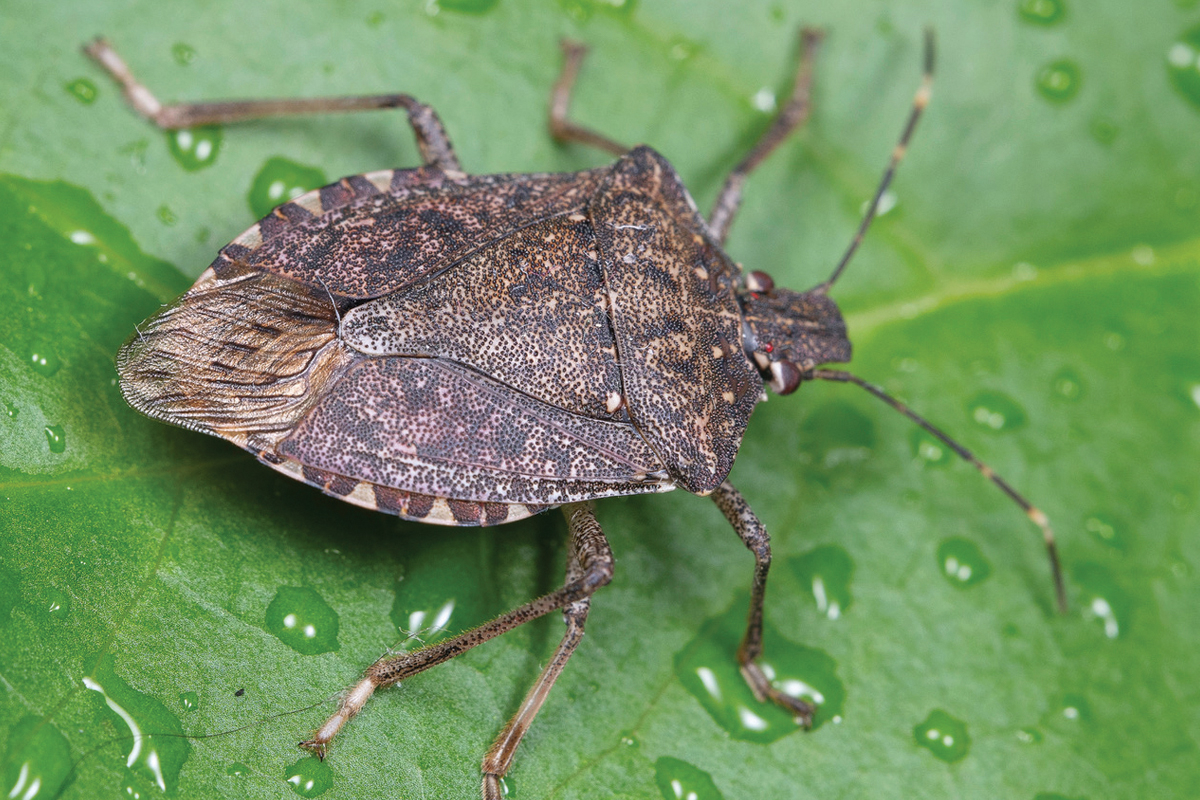
Like Asian lady beetles, some stink bugs seek sheltered locations as outdoor temperatures begin to drop. They may gather around windows, siding, and doors or occasionally wander indoors.
Brown marmorated stink bugs do not bite or sting people and do not reproduce indoors during the winter.
Their name comes from the distinctive odor they release when threatened or crushed.
Visitor tip: Avoid squashing stink bugs. A cup and piece of paper can be used to capture and remove an occasional visitor without releasing its odor.
Millipedes: More Common During Very Wet Weather
Millipedes are small, slow-moving creatures with many legs that typically live in damp soil, decaying leaves, and other moist outdoor environments.
After prolonged or heavy rainfall, millipedes may move away from saturated ground and appear around foundations, patios, doorways, and occasionally inside buildings.
They do not bite or sting, and they do not infest beds or feed on household furnishings. Some species can release defensive substances that may irritate skin or eyes, so handling them is best avoided.
Finding an occasional millipede indoors after very rainy weather does not automatically indicate a housekeeping problem.
Visitor tip: Avoid handling millipedes directly and notify your host if you notice an unusual number indoors.
Spiders: Part of the Mountain Ecosystem
Spiders are common in wooded environments, gardens, and around outdoor lighting, where other insects may gather.
Visitors may notice spiderwebs on porch railings, around exterior lights, or between trees. Some spiders build new webs surprisingly quickly, even after an area has been cleaned.
Most spiders encountered in the Smoky Mountains are not dangerous to people, and many help control insect populations.
However, Tennessee is also home to medically significant spiders, including black widows and brown recluses. These should not be handled or disturbed.
Visitor tip: Avoid reaching blindly into dark, undisturbed spaces, and never handle an unfamiliar spider. If you suspect a medically significant spider is present inside your accommodations, notify your host.
What About Scorpions in the Smoky Mountains?
Yes, scorpions are found in parts of the Southern Appalachian region, including East Tennessee. Encounters are relatively uncommon, and they generally prefer sheltered outdoor environments.
We've covered this subject separately, including what visitors should know about scorpions in the Smoky Mountains.
Read our guide to scorpions in the Smoky Mountains »
Not Every Itchy Bite Is a Bed Bug Bite
One of the most important things travelers should understand is that many different insect bites and skin reactions can look remarkably similar.
Chigger bites, mosquito bites, flea bites, and bed bug bites can all produce itchy red bumps. Reactions vary considerably from person to person, and some people may have little or no visible reaction.
Bites or itching noticed during a vacation do not necessarily mean the exposure occurred inside the accommodations. Outdoor bites may not become noticeable until hours later, and some reactions can take longer to develop.
Likewise, the location or pattern of bites alone cannot reliably confirm or rule out bed bugs.
Bed bugs can be introduced into hotels, vacation rentals, and private homes through luggage, clothing, and other belongings. Their presence is not necessarily related to cleanliness or housekeeping practices.
If you suspect bed bugs, report the concern to your host or property management promptly. A proper evaluation should look for physical evidence, such as live insects, shed skins, or other recognizable signs. A qualified pest professional can help determine whether bed bugs are present.
For additional information, see the CDC's guide to bed bugs .
A Clean Mountain Cabin Is Still Surrounded by Nature
Mountain cabins offer something special that hotels in developed urban areas often cannot: wooded surroundings, fresh mountain air, wildlife, and a peaceful connection with the natural environment.
However, even a thoroughly cleaned and well-maintained cabin cannot guarantee that occasional insects will never find their way indoors.
Seasonal insect activity, changes in weather, and the surrounding landscape can all influence what visitors encounter.
Finding an occasional lady beetle near a window, a stink bug on a porch, or a millipede following heavy rainfall does not necessarily indicate a cleanliness or maintenance problem.
At Blue Mountain Cabins, we take cleanliness, maintenance, and guest comfort seriously. We also believe that helping guests understand the natural mountain environment is an important part of preparing for an enjoyable vacation.
If something seems unusual, excessive, or concerning during your stay, please contact us promptly so we can evaluate the situation and respond appropriately.
Simple Ways to Prepare for Your Smoky Mountain Vacation
A few simple precautions can make your outdoor adventures more comfortable:
- Pack insect repellent. Choose an EPA-registered product appropriate for your activities and follow its directions.
- Dress for outdoor activities. Long pants, socks, and closed-toe shoes help reduce exposure when hiking through wooded or grassy areas.
- Stay on established trails. Avoid unnecessary contact with tall grass, dense brush, and leaf litter.
- Check for ticks. Examine yourself and your clothing after hiking or spending time outdoors.
- Keep cabin doors closed. Leaving doors open, especially near outdoor lights, can invite flying or crawling insects inside.
- Avoid handling unfamiliar insects or spiders. Most will leave you alone if you leave them alone.
- Let your host know about concerns. Prompt communication allows a potential issue to be evaluated and addressed.
Frequently Asked Questions About Bugs in the Smoky Mountains
Are chiggers common in the Smoky Mountains?
Chiggers can be encountered in grassy and brushy areas during warmer months. Their bites often cause itching around waistbands, sock lines, and other areas where clothing fits tightly.
Can chigger bites be mistaken for bed bug bites?
Yes. Both can cause itchy red bumps, and bite appearance alone is not a reliable way to identify the cause. Outdoor exposure history and physical evidence are important when evaluating a suspected bed bug problem.
Do carpenter bees sting people?
Male carpenter bees cannot sting because they have no stingers. Females can sting but rarely do unless handled or threatened. Their hovering behavior can look intimidating, but they are generally not aggressive toward people.
Why are lady beetles and stink bugs around cabins in the fall?
As temperatures cool, these insects seek sheltered places to overwinter. They may gather on sunny exterior walls and occasionally enter buildings through small openings. Their seasonal appearance does not necessarily indicate poor housekeeping.
Why do millipedes sometimes appear inside after heavy rain?
Millipedes normally live in damp outdoor environments. Excessive rainfall can cause them to move away from saturated soil and occasionally enter buildings. They do not bite or establish infestations in beds.
Are spiders in the Smoky Mountains dangerous?
Most spiders encountered in the region are not dangerous to people. However, medically significant species, including black widows and brown recluses, are present in Tennessee. Avoid handling unfamiliar spiders and report concerning indoor sightings to your host.
Does finding an insect inside a cabin mean it is dirty?
Not necessarily. Even clean, well-maintained properties can experience occasional insect entry, especially in wooded settings or during seasonal changes and heavy rainfall. Repeated sightings, suspected infestations, or other concerning activity should be reported for evaluation.
What should I do if I suspect bed bugs in my vacation rental?
Notify your host or property manager promptly and share any physical evidence or photographs you can safely obtain. Avoid moving suspected insects between rooms. A qualified pest professional can help confirm whether bed bugs are present.
Enjoy the Mountains - And Everything That Makes Them Natural
The Great Smoky Mountains are home to an extraordinary variety of plants, animals, birds, and insects. That biodiversity is part of what makes the region such a remarkable place to visit.
A little preparation, reasonable expectations, and respect for the natural environment go a long way toward making your mountain vacation enjoyable.
After all, the beauty of staying in the mountains is experiencing nature - not expecting nature to disappear.
Experience the Smoky Mountains with Blue Mountain Cabins
Enjoy the natural beauty of the Smokies from one of our privately owned mountain cabins, with wooded surroundings, comfortable amenities, and responsive local ownership.