However, many first-time visitors are surprised by the differences between driving in the mountains and driving at home. Roads can be narrow, traffic patterns can change with the seasons, and distances that look short on a map can take longer than expected.
After hosting guests in the Smoky Mountains, these are some of the things we recommend knowing before you get behind the wheel.
Mountain Roads Are Usually Easier Than Visitors Expect
One of the biggest concerns first-time visitors have is whether they can handle mountain roads. The good news is that most popular routes around Gatlinburg, Pigeon Forge, Sevierville, and Great Smoky Mountains National Park are paved and accessible for regular passenger vehicles.
You do not need a large SUV or four-wheel drive vehicle for most attractions and scenic areas most of the time of the year. The key is simply driving at a comfortable speed and paying attention to curves, elevation changes, and other vehicles.
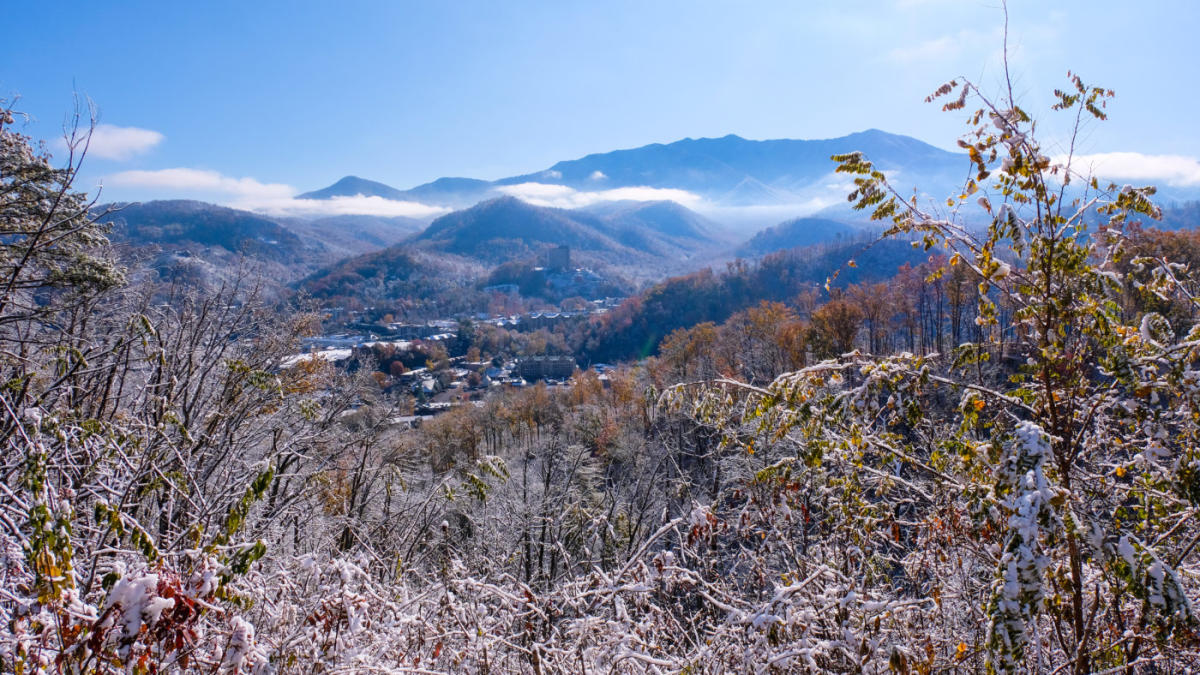
In winter conditions, however, some secondary mountain roads inside and around the Smokies may require extra caution. When snow or ice is present, 4WD or AWD vehicles - and in some cases, tire chains - may be recommended or required on certain roads. These restrictions are typically posted on-site, especially on shaded or higher-elevation secondary roads that retain snow and ice longer and may not be plowed as frequently as main routes.
Why “Mountain Roads” Are Part of the Experience in the Smokies
One of the most common surprises for first-time visitors is simply that the Smoky Mountains actually have mountain roads. The name is not just scenic branding - it reflects the geography of the region.
Many of the most beautiful views, overlooks, rivers, and hiking areas are located along winding roads that follow the natural terrain. Curves, elevation changes, and slower speeds are part of what makes it possible to access these areas safely while preserving the landscape.
If your goal is to experience mountain scenery, waterfalls, forest drives, and ridge views, some degree of mountain driving is expected. The good news is that most of the main routes are well-maintained and designed for visitor access, even for those who are not used to driving in hilly or mountainous areas.
Distances Can Be Deceiving in the Smokies
A common mistake visitors make is assuming a few miles means a quick drive. In the mountains, roads follow the terrain, which means a short distance can take longer than expected.
For example, a route that looks close on a map may include:
- Mountain curves
- Lower speed limits
- Wildlife or scenic stops
- Seasonal traffic
- Limited passing opportunities
Give yourself extra time, especially if you are heading to a hike, reservation, or timed activity.
Traffic Is Usually the Biggest Challenge - Not the Roads
During peak seasons, the busiest areas of Gatlinburg and Pigeon Forge can experience significant traffic. Holidays, fall color season, spring break, and summer weekends are the times when visitors notice delays the most.
A few simple strategies help:
- Start outdoor activities early
- Avoid moving between towns during peak afternoon hours
- Use alternate routes when possible
- Plan multiple activities in the same area instead of crossing the mountains repeatedly
Some of the Best Scenic Drives Are Not the Busiest Roads
Many visitors spend their entire trip focused on the main roads through Gatlinburg and Pigeon Forge, but some of the most enjoyable drives are found away from the busiest areas.

Some local favorites include:
- Roaring Fork Motor Nature Trail
- Greenbrier Road
- Foothills Parkway East
- Cosby area roads
For more ideas, see our guide: The Quiet Side of the Smoky Mountains: Places to Escape the Crowds.
Cell Service Can Be Limited
Many areas inside and around the Great Smoky Mountains National Park have limited or no cell service. Do not rely completely on your phone for navigation once you leave the main roads.
Before heading into the mountains:
- Download maps if needed
- Know your route ahead of time
- Bring directions to your destination
- Keep your vehicle fueled
Mountain Weather Can Change Quickly
Weather in the Smokies can change quickly, especially with elevation changes. A sunny morning in town can become cooler, foggy, or rainy higher in the mountains.
Before heading out:
- Check the forecast
- Bring layers
- Be careful on wet roads
- Allow extra time during poor weather
Wildlife Has the Right of Way
One of the most memorable parts of driving through the Smokies is the chance to see wildlife. However, visitors should always give animals space and never stop traffic to approach wildlife.
Slow down, enjoy the view from a safe distance, and remember that wildlife sightings are part of the experience - not something that can be guaranteed.
Know the Difference Between Scenic Roads and Mountain Access Roads
Not every mountain road is the same. Popular scenic routes such as Roaring Fork Motor Nature Trail are designed for visitors, while some private or residential roads may be narrower, steeper, or less familiar to travelers.
If your cabin directions include mountain roads, read the arrival instructions carefully and contact your host if you have questions before arrival.
Parking Is Part of Planning Your Visit
Many popular areas inside the Great Smoky Mountains National Park require a valid parking tag if you park for more than 15 minutes. Plan ahead, especially when visiting popular trailheads, waterfalls, and scenic areas.
Where You Stay Can Change Your Driving Experience
Choosing a cabin location can make a big difference in how much time you spend driving. Staying closer to the areas you plan to explore can help you spend less time in traffic and more time enjoying the mountains.
Blue Mountain Cabins offers private mountain stays with convenient access to Gatlinburg, Pigeon Forge, Sevierville, and many of the Smokies’ most popular outdoor areas.
Plan Your Smoky Mountain Getaway
Stay in a private cabin surrounded by nature while staying close to scenic drives, hiking trails, rivers, and attractions.
Many of the roads covered in this guide also lead to excellent wildlife viewing areas and quieter sections of the national park. Before heading out, explore our guides to Smoky Mountain wildlife viewing and less-crowded places to explore.
Frequently Asked Questions
Do I need a 4WD vehicle to drive in the Smoky Mountains?
Most popular roads and attractions near Gatlinburg, Pigeon Forge, and Great Smoky Mountains National Park can be accessed with a standard passenger vehicle. Some private mountain roads may vary, so always check specific directions. In winter, when snow or ice is present, 4WD or AWD vehicles - and in some cases, tire chains - may be recommended or required on certain roads
Are Smoky Mountain roads dangerous?
Most visitors find the roads manageable. The main challenges are curves, elevation changes, weather, and traffic rather than the roads themselves.
What is the best time to drive in the Smoky Mountains?
Early morning is often the best time for scenic drives because traffic is lighter and wildlife is more active.